When it comes to manufacturing metal components, the casting process plays a crucial role. There are several methods available for casting metal, but investment casting, sand casting, and die casting are among the most commonly used in various industries. Each method offers unique benefits and is suited for different types of parts and applications. Understanding these differences is essential for manufacturers, engineers, and buyers in selecting the most appropriate casting method.
In this blog, we will compare investment casting, sand casting, and die casting, discussing their processes, advantages, and ideal applications. Whether you’re in Rajkot, India, or anywhere else, knowing how these methods differ will help you make an informed decision when choosing casting suppliers in India or evaluating casting solutions in Rajkot.
What Is Investment Casting?
Investment casting, also known as lost wax casting, is a precision casting method that creates complex and high-precision components. The process involves creating a wax pattern of the component, coating it with a ceramic shell, and then melting the wax out to leave a cavity for molten metal. The metal is poured into the cavity, forming the desired part.
Advantages of Investment Casting:
- High Precision: Ideal for creating parts with intricate geometries and tight tolerances.
- Excellent Surface Finish: The smooth surface finish often requires minimal post-processing.
- Material Versatility: Works with a wide range of materials, including stainless steel, carbon steel, and nickel alloys.
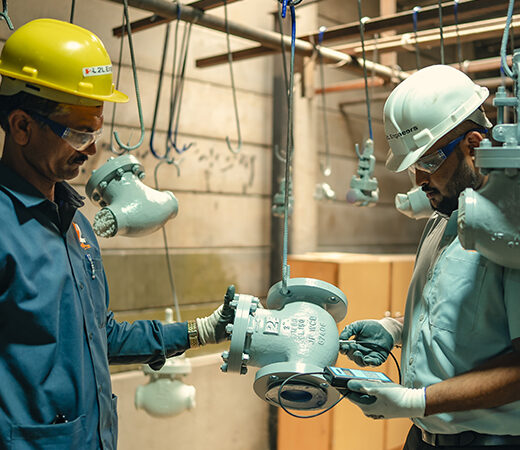
Applications: Investment casting is commonly used in industries like aerospace, automotive, medical devices, and industrial equipment.As a leading investment casting manufacturer in Rajkot, Invent Cast Pvt. Ltd. provides high-precision components for a wide range of industries. Whether you’re looking for valve castings, general engineering compo or custom-machined parts, we offer tailored solutions to meet your needs.
What Is Sand Casting?
Sand casting is one of the oldest and most widely used casting methods, where a cavity is made in a sand mold, and molten metal is poured into the mold to create the component. The sand mold is broken apart after the metal has solidified to reveal the finished part.
Advantages of Sand Casting:
- Low-Cost Tooling: Sand molds are relatively inexpensive compared to other methods.
- Versatility: Can be used to cast a wide range of metals, from iron to aluminum to steel.
- Large-Scale Production: Suitable for casting large parts or high volumes of parts.
Applications: Sand casting is commonly used for making large components such as engine blocks, gearboxes, pump housings, and industrial machinery parts.
While sand casting offers great versatility, it lacks the fine detail and surface finish that investment casting provides. For parts with more complex geometries and higher precision requirements, investment casting would be a better choice.
What Is Die Casting?
Die casting involves forcing molten metal under high pressure into a mold cavity. The mold, also known as a die, is made of hardened steel and can be reused for high-volume production runs. This method is best suited for non-ferrous metals like zinc, aluminum, and magnesium.
Advantages of Die Casting:
- High-Speed Production: Ideal for mass production of parts with consistent quality.
- Complex Geometries: Capable of producing parts with detailed features and fine tolerances.
- Strong Parts: Components produced through die casting are typically stronger and denser compared to those made by sand or investment casting.
Applications: Die casting is commonly used in industries such as automotive, electronics, and consumer goods for making parts like engine components, heat sinks, and motor housings.
Although die casting offers speed and precision, it is more suitable for high-volume production runs and may not be ideal for low-volume or highly intricate parts, where investment casting would be the preferred choice.
Investment Casting vs Sand Casting
When comparing investment casting vs sand casting, the key differences lie in the complexity of the part, the precision required, and the material used.
- Precision: Investment casting provides higher precision and better surface finish, making it ideal for intricate designs and tight tolerances. Sand casting, on the other hand, may require more post-processing to achieve the same level of finish.
- Cost: Sand casting is generally cheaper than investment casting, especially for larger parts or simpler geometries. Has less machining allowance compared to sand castings and hence is less expensive to machine
Applications: Sand casting is better suited for large components like engine blocks and machinery parts, while investment casting is better for high-precision parts like valve bodies, medical implants, and aerospace components.
Die Casting vs Investment Casting
When comparing die casting vs investment casting, several factors need to be considered:
- Material Types: Die casting is typically used for non-ferrous metals like aluminum and zinc, while investment casting can handle a wider variety of metals, including stainless steel and nickel alloys.
- Precision and Surface Finish: Investment casting offers better precision and surface finish, making it ideal for high-end applications like medical implants and aerospace parts. Die casting excels in mass production but may not be as suitable for parts with complex shapes.
- Production Volume: Die casting is well-suited for high-volume production, while investment casting is more versatile for both small and medium runs, particularly for high-precision parts.
Final Thoughts
Understanding the differences between investment casting, sand casting, and die casting is crucial for selecting the best method for your specific needs. Invent Cast Pvt. Ltd., as a trusted investment casting manufacturer in Rajkot, is committed to providing high-quality, precise, and reliable cast components for a wide range of industries.
Need expert advice on casting methods? Get in touch with Invent Cast Pvt. Ltd. for a free consultation or to request a quote.
Contact us today or email us at info@inventcast.in for more information on our casting solutions.